Dear Readers,
for reaching BetterHelp, please click this link:
https://www.betterhelp.com/
Just updated on April 23, 2019.
Thanks.
for reaching BetterHelp, please click this link:
https://www.betterhelp.com/
Just updated on April 23, 2019.
Thanks.

Source: pando.com
We all experience feelings of melancholia on
occasion. When we lose a job or go through a tough breakup, we can go through a
period where we feel sad and hopeless. While these feelings are a normal part
of being a human, if they persist and begin to affect your everyday life
negatively, you may have what is known as melancholic depression.
What Is Melancholic Depression?
Melancholic depression is a subtype of major
depressive disorder (MDD), which is characterized by overwhelming and intense
feelings of sadness and hopelessness, even when there is seemingly no catalyst.
MDD affects every area of life, including work, school, and interpersonal
relationships. Often those suffering from depression will lose interests in
hobbies and activities that they once enjoyed, and may cut off contact with
those closest to them. Those with melancholic depression often completely lose
interest in everything for extended periods of time, and these bouts of
melancholy often seem to come out of nowhere.
Symptoms Of Melancholic Depression

Source: worldatlas.com
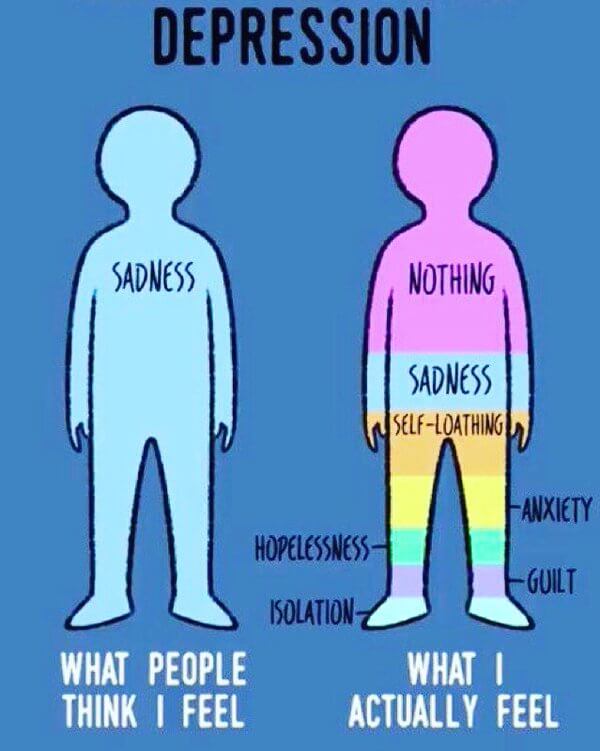
Overwhelming and persistent feelings of sadness and
hopelessness
Those with melancholic depression often lose the
ability to feel pleasure. Confronted by feelings of worthlessness and extreme
sadness, these feelings are all-encompassing and feel as though they will never
end. These symptoms are not brought on by a specific event, but rather come out
of nowhere.
Complete loss of interest in activities once
enjoyed
Even surrounded by positive events, great friends,
and activities in which they once found a lot of pleasure in, those suffering
from extreme depression feel no happiness. Events that they once looked forward
to are now simply neutral. Even if a day is seemingly 'good,' or if they
receive wonderful news, it doesn't do anything to alleviate the feelings of
depression.
Thoughts of self-harm
While not a symptom present in everyone diagnosed
with depression, those with more extreme symptoms may have thoughts of suicide
or self-harm.
Disruption in sleep patterns
Depression can negatively affect sleep patterns,
either leaving the person too sad to get out of bed (leading to excessive
sleep) or disrupting sleep entirely (leading to a lack of sleep).
Significant weight loss
Loss of interest in most things includes lack of
interest in food. Often those with melancholic depression will lose their
appetite, leading to significant weight loss.
Difficulty concentrating, lack of energy, and
inability to make decisions
Fatigue is a very common symptom, and even the most
simple tasks can seem extremely difficult. It can also be difficult to
concentrate on anything or make any decisions because there doesn't seem to be
any reason to move forward.
Feelings of guilt
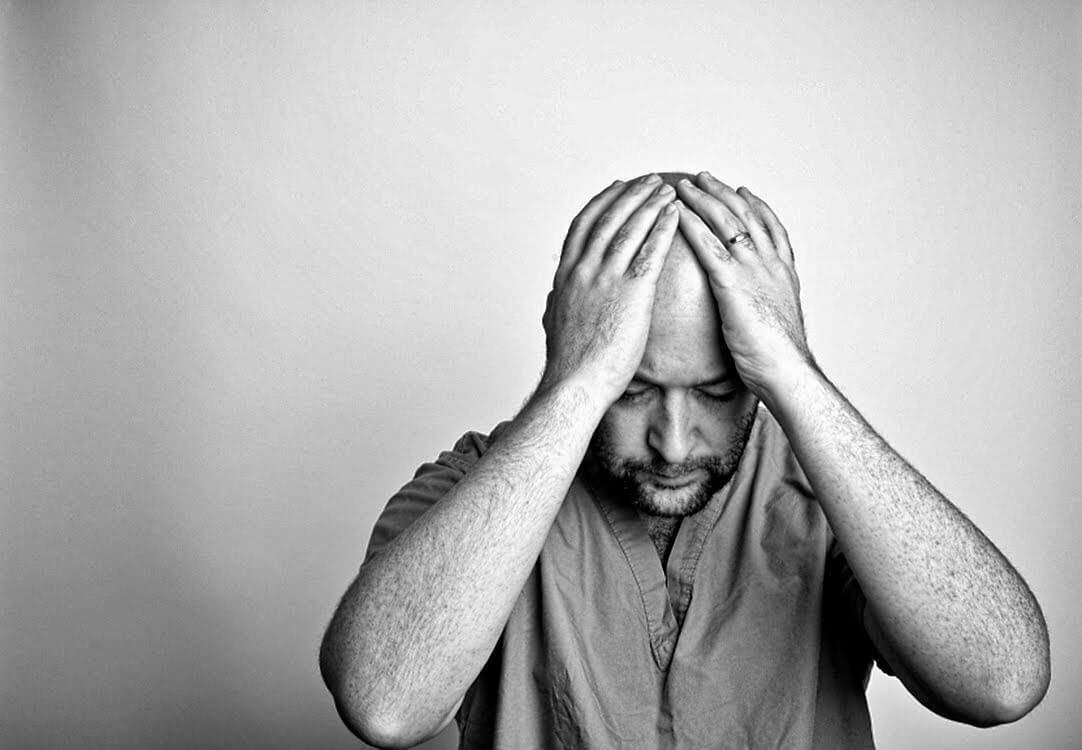
Source: counselingtoempower.com
Another symptom that differentiates melancholic
depression from major depressive disorder is excessive feelings of guilt. These
feelings of guilt are not brought on by a certain situation or event, but
rather are linked to past experiences or the worry of doing something wrong in
the future.
Symptoms worse in the morning
As opposed to major depressive disorder,
melancholic depression is characterized by symptoms that are worse in the
mornings. This may lead to difficulty getting out of bed and an inability to
face the day ahead. Symptoms may begin to recede slightly as the days go on.
What Causes Melancholic Depression?
The important thing to note is that melancholic
depression isn't caused by a specific traumatic event, although a
traumatic event can trigger depression that may have been lying dormant.
Biological factors cause this type of depression; in some cases, it may have
been inherited from parents. Those with other mental disorders where psychotic
symptoms are present are thought to be more susceptible to this type of
depression, as well as elderly patients with dementia.
How Is Melancholic Depression Diagnosed?
As opposed to physical illnesses, diagnosing mental
illnesses isn't as clear-cut of a process. Doctors can't simply take an x-ray,
analyze a blood sample or see any physical problems. Instead, they rely on a
handful of questions that will allow them to determine whether the patient is
truly depressed or is simply going through a difficult time.
Source: twitter.com
The patient will be required to talk about a
typical day - their behaviors, emotions, thoughts and overall lifestyle. The
doctor will try to dig deeper, asking if they have had experienced any traumatic
events either recently or in the past that may be contributing to feelings of
melancholy. Gathering information on the history of mental illnesses in the
family will also be helpful since mental illnesses are often hereditary.
To be diagnosed with melancholic depression, you
must be exhibiting at least five of the above symptoms for at least two weeks
straight. Before making a diagnosis, a doctor will try to rule out any physical
illnesses that may be indirectly causing feelings of depression.
How Is Melancholic Depression Treated?
Medication - Many patients diagnosed with
melancholic depression will be put on antidepressants. This help regulate the
levels of serotonin and dopamine in the brain, bringing the mind back to a
manageable state. Antidepressants typically take between 2-4 weeks before they
begin to work, and during that time suicidal thoughts may increase before the
emotions are regulated. It's important to stay in contact with your doctor and
let them know if you feel as though suicidal thoughts have increased. It is
also important to not stop taking antidepressants even when you begin to feel
better until your doctor approves and helps you reduce your dosage gradually.
There are many different types of antidepressants,
and it may take a bit of time for a doctor to find the right dosage and
medication for you.

Source: blackdoginstitute.org.au
Cognitive Behavioral Therapy - Cognitive Behavioral Therapy (CBT)
acknowledges that the way we think and behave affects our everyday life. It
pinpoints negative thought patterns and works to change them back into more
positive thought patterns. A therapist will help you take the steps necessary
to restructure the way you think. Since melancholic depression is so severe,
CBT is often combined with medication or other types of psychological treatment.
Interpersonal Therapy - Interpersonal Therapy (IPT) focuses on your
interpersonal relationships, and pinpoints areas that may be exacerbating your
symptoms of depression. This type of therapy aims to help patients improve
their relationships or alter their expectations of them. IPT also aims to help
develop a stronger support network to deal with symptoms of depression more
easily.
Learning to manage melancholic depression is a long
process, but there is hope. If a loved one of yours is suffering from
depression, it's important to convince them to get the help they need as soon
as possible. While it may be a long road to recovery, the combination of
medication, psychological treatment, and a strong support system can help
alleviate symptoms and help them get on the path to a happier, healthier life.
It's very important to remain a supportive confidante throughout the entire
process; people suffering from depression often feel worthless, and it's
important to remind them that they are not alone. Acknowledging that there is a
problem is the first step, and making that initial appointment is the most
difficult part. Afterwards, everything else is a step in the right direction.
If you feel as though you are suffering from
melancholic depression, seek help today. The trained therapists at BetterHelp are available 24/7
to discuss your symptoms and provide treatment, and there is no need to leave
the comfort of your own home. You have the opportunity to remain anonymous,
talk with a professional that you feel comfortable with, and can revolve
sessions around your schedule. Don't wait to get help - the sooner you contact
a trained professional, the sooner you will be on the path to a healthier,
happier life.

Source: upworthy.com
If you or a loved one are having thoughts of
suicide, don't wait to hear back from a therapist - call an emergency center
immediately.
Next Article